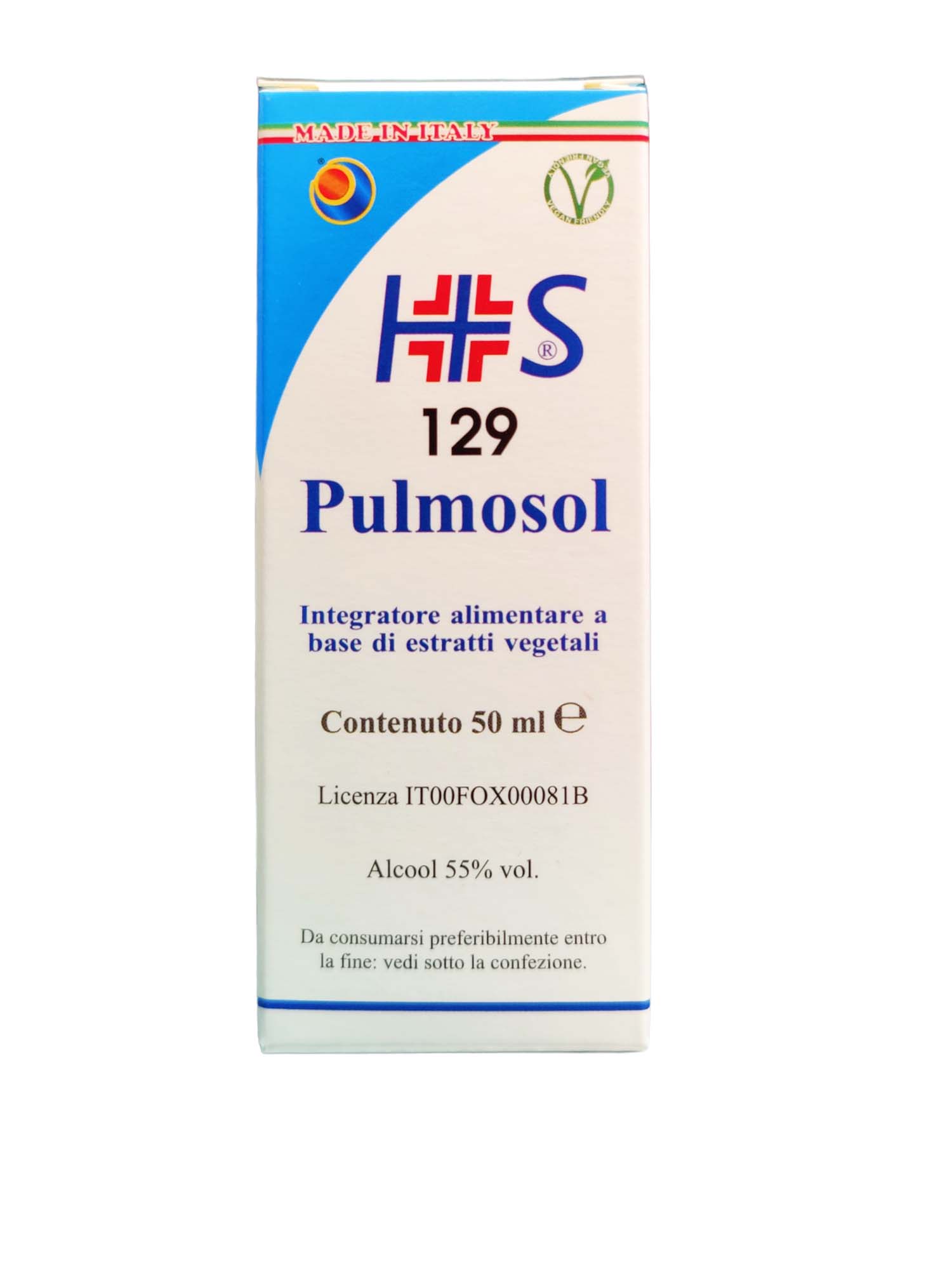
The hydroalcoholic solutions were made with the
alchemical spagyric method of Solanimus (
TSA) which includes all the phases of the classical spagyric with the final addition of a specific phase of the alchemical philosophy. Spagyria and alchemy have come together to get the best out of plants. The
CAPELVENERE (
Adiantum capillus-veneris) contains a fair quantity of mucilages and tannic substances in glucosidic form and therefore it is considered a
plant with emollient and protective activity.
It is an excellent expectorant and adjuvant in the treatment of colds and bronchial diseases, probably thanks to a triterpenoid nucleus
saponoside that the plant contains (M. Pedretti,
Chimica e farmacologia…, op. cit. cit.) which,
like all saponins, manifests a marked expectorant action. The
ROSOLACCIO (
Papaver rhoeas) has active ingredients such as
mecocyanin,
readin (benzyl-isoquinoline alkaloid) and
potassium nitrate,
elements used as antispasmodic, antihistamines, and therefore useful in allergic asthma, spasmodic and nervous coughs. Its use is valid as a cough calmer, as an adjuvant in whooping cough and in pertussoid forms, as a bechic in the therapy of acute catarrhal bronchitis. The petals help to calm the spasm,
promote expectoration and
determine a diaphoretic action,
useful in febrile forms, a consequence of colds and flu. LUNGARIA (
Pulmonaria officinalis) contains mucilage, tannic acid, silicon salts and substances with a saponin structure and for these principles
it is used as an expectorant and emollient in inflammatory forms of the upper respiratory tract.
It is the saponins that mostly exert its expectorant action, while the silica salts perform a diaphoretic action.
Therefore, the use of a pulmonary valve can be considered when there are small bronchial complications. The leaves of
horehound (
Marrubium vulgare) contain diterpene lactones (
marrubin, 0.3-1%), mucilage, pectins, flavonoids, alkaloids, betanin, mineral salts and essential oil.
Horehound was already used in ancient times against respiratory diseases. The Greek physician
Dioscorides (40-90 BC)
already recommended it to relieve tuberculosis, asthma and coughs. In 1597 the English herbalist
Jhon Gerard praised this plant as “
a remedy of the most remarkable against coughs and breathing difficulties“. Marrubin is a powerful and bitter expectorant. Horehound is used in the treatment of breathing difficulties, bronchitis, pathological dilatation of the bronchi (
bronchiectasis),
asmiform bronchitis, dry coughs and whooping cough. La
QSA (
Quintessenza Spagyrica Alchemica di Solanimus) di
EUCALIPTO (
Eucaliptus globulus) possiede importanti qualità mercuriane che si esprimono sia a livello del sistema immunitario che a livello dei polmoni. Eucalyptus essence contains predominantly eucalyptol (up to 85%) and then, to a lesser extent, a large group of monoterpenes and sesquiterpenes.
The essence has a strong balsamic and expectorant action, as well as antiseptic, for this reason it is widely used in the treatment of respiratory system diseases, in excesses of asthma and in chronic catarrhal bronchitis.
From the plants described above it is possible to obtain
TSA (
Spagyric-Alchemic Tinctures)
with extraction ratio 1 to 5 (
R.E. 1/5) and if you follow the indications given by
Solanimus in his book “
ALCHEMY and SPAGYRIA: admirabiles et inseparabiles Artes!”, where some practical notions of Spagyria or Spagyrya and Alchemy are described very well.
COMOPLEMENTARY REMEDIES: DEFENSOL, ALLERSOL, INFLUBIOTIC, BRONSOL