Product included in the register of supplements of the Italian Ministry of Health, code 113221.
Notes:
GLUCOSAMINE is an amino sugar naturally present in the human body and one of the main precursors of the synthesis of glycosylated proteins and lipids. It is one of the major components of the shell of crustaceans and other arthropods. It is usually derived from shellfish, for those who are allergic to it it would be preferable to avoid it, but being derived from the shells of animals, while the allergen is in their meat, its use is probably safe even for those who are allergic to shellfish, it is produced commercially from the hydrolysis of crustacean shells. It is the starting point for the synthesis of many important macromolecules, such as glycoproteins, glycolipids, mucopolysaccharides. These macromolecules are components of numerous tissues in the digestive and respiratory tracts, in some structures of the eye, blood, heart valves as well as, to a large extent, in synovial fluid, tendons, ligaments and joints. Glucosamine is used for the biosynthesis of hyaluronic acid, synovial fluid and proteoglycans, a fundamental substance of articular cartilage. A deficiency of glucosamine or its metabolism can reduce the degree of production of these important macromolecules leading to a weakness of specific tissues. In osteoarthritis, a metabolic defect occurs in the biosynthesis of glucosamine and proteoglycans. In this situation, the exogenous supply of glucosamine compensates for the endogenous deficiencies of the substance, stimulates the biosynthesis of proteoglycans, carries out a trophic action on the articular cartilages and favors the fixation of sulfur in the synthesis of glucosaminoglycans (GAG) and proteoglycans. All these actions have favorable effects on the degenerative processes of the cartilage which are the basis of arthritic diseases. It is not an analgesic, even if there is a decrease in pain, it is not a classic anti-inflammatory, it does not inhibit prostaglandin synthesis, but it acts on other mechanisms of inflammation, such as probably the inhibition of nitric oxide synthesis which favors it the rapid efficacy on the symptoms, this is combined with the effect on the cartilaginous metabolism which takes over in long-term therapy. As we age, the amount of glucosamine produced by the body decreases. The result is a GAG deficiency. Then the cartilage and bones rub against each other, damaging the joints and the synovial fluid that lubricates them becomes watery and less consistent. Researchers have shown that if we correct the lack of glucosamine, we can restore the body’s ability to supply all the vital substances needed to restore worn out joints. Glucosamine has been the subject of studies published in the American Journal of Natural Medicine in which it reports its effectiveness in at least 20 double-blind trials. Other studies have shown that glucosamine sulfate is approximately 90% absorbed by the body in whatever form it is administered, intramuscularly or orally. All trials carried out on humans have shown a high degree of pain reduction and increased mobility, in many cases the total disappearance of symptoms has been noted. No major side effects were recorded from oral administration of glucosamine sulfate. The study, coordinated by Prof. Jean Yves Reginster of the University of Liège (Belgium) was published in The Lancet on 27 January 2001 (vol.357) and verified the long-term effects of specific therapy with glucosamine on the progression of knee osteoarthritis. This molecule has been shown to be able to reduce the structural changes and the painful and functional symptoms of the disease. This result appears extremely important if we consider that until now the treatment of osteoarthritis was limited to the short-term control of symptoms. Oral glucosamine is commonly used to treat osteoarthritis. Because it is a precursor to glycosaminoglycans, major components of joint cartilage, supplemental glucosamine can help rebuild cartilage and be used as a treatment for osteoarthritis. Studies are being conducted in the USA on the use of glucosamine in the obese, as it could be useful in insulin resistance. CHONDROITIN, obtained from shark cartilage is the C form and is the most suitable for use as it is also present in humans, it is a glycosaminoglycan (GAG) sulphate composed of an alternating chain of sugars (N-acetylgalactosamine and glucuronic acid) . It is normally found associated with proteins to form a proteoglycan. A chondroitin chain can have over 100 sugars, each of which can bind sulfate ions in varying positions and amounts. Understanding the function of this diversity in chondroitin and related glucosaminoglycans is one of the major goals of glycobiology. Chondroitin sulfate is an important structural component of cartilage, giving it almost all of its compressive strength. Due to its ability to attract water, chondroitin sulphate helps to “lubricate” the joints, its structural peculiarity allows it to attract and fix water in abundance, to be left again to the proteoglycan molecules, this liquid is essential to support and lubricate the joints, as the cartilage is not supplied with blood. The content of chondroitin sulphate in cartilage decreases with age. Further scientific investigations have found the efficacy of chondroitin sulphate in restoring cartilage and connective tissues and also in preventing breakage, toning the body and placing it in the best conditions for self-medication. It supports a significant anti-inflammatory activity, important research has confirmed that it benefits the response of the immune system, favoring the healing of injuries. Chondroitin sulphate works synergistically with glucosamine, increasing its effect for cartilage care. Chondroitin sulfate is effective in reducing the concentrations of collagenases, protein compounds capable of eliminating collagen structures. Chondroitin sulphate and hyaluronic acid are necessary for the body and for the correct functioning of the articular cartilages, considering that they are the fundamental components of aggrecans, which are proteins capable of giving the cartilage of the joints its peculiar characteristics of lightening the blows, in function of a prominent modifying property. In degenerative states of the joints, decreases in the generation of aggrecans can be detected, which leads to the manifestation of less ductility of the cartilage. HYALURONIC ACID is one of the fundamental components of the connective tissues of humans and other mammals. It gives the skin its particular properties of resistance and shape retention. A lack of it causes a weakening of the skin, promoting the formation of wrinkles and blemishes. Its concentration in body tissues tends to decrease with age. In the amorphous matrix of a connective tissue hyaluronic acid (the only glycosaminoglycan to be present in the matrix as such, i.e. not bound to a protein core to necessarily form a proteoglycan) takes care of maintaining the degree of hydration, turgidity, plasticity and viscosity, since it is arranged in space in an aggregate conformation thus forfeiting a considerable number of water molecules. It is also able to act as a cementing substance and as an anti-shock molecule as well as an efficient lubricant (eg in synovial fluid) preventing damage to tissue cells from physical stress. The extreme length of the molecule together with its high degree of hydration allows multiple hyaluronic acid polymers to organize themselves to form a reticular-type structure that has two main functions: 1) create a molecular scaffold to maintain the shape and tone of the tissue; 2) function as a filter against the free diffusion in the tissue of particular substances, bacteria, infectious agents. Only substances with a molecular weight low enough to be able to pass through the “mesh” of this network will be able to spread freely in the fabric; all substances with higher molecular weight as well as bacteria or viruses will remain entangled in the net. In our body hyaluronic acid is found: in the vitreous humor of the eye, in the synovial fluid, in the skin, in the cartilage, in the tendons, in the umbilical cord, in the walls of the aorta. The particular chemical structure gives hyaluronic acid numerous properties that make it particularly useful in both the medical and aesthetic fields. By participating in the formation of collagen and connective tissue, hyaluronic acid as well as protecting the body from viruses and bacteria, increases tissue plasticity and ensures optimal skin hydration. It also has healing and anti-inflammatory properties. Hyaluronic acid is a fundamental component of the dermis. Thanks to its properties, it gives the leather the classic characteristics of elasticity and softness. However, its concentration within the skin connective tissue tends to decrease with age, if on the one hand this constant and considerable decrease is among the main causes of skin aging on the other with its integration allows you to reactivate mature skin by stimulating cellular functionality and giving the skin the lost compactness and clarity. Recently some studies have shown that hyaluronic acid is also involved in the processes of hair and hair proliferation and growth, opening up new horizons in the cosmetic use of this important substance. Hyaluronic acid is a fundamental component of synovial fluid. This liquid is placed inside the joints with the aim of protecting the cartilage from wear and tear and excessive loads. The synovial fluid, in addition to cushioning the movements, ensures nourishment to the cartilage, accelerating its repair processes. Joint aging, as well as skin aging, is associated with a decrease in the production of synovial fluid. Hyaluronic acid is particularly effective in the treatment and prevention of osteoarthritis, a degenerative disease involving cartilage. METHYLSULFONYLMETHANE (MSM) is a natural form of organic sulfur, whose chemical formula is CH3SO2CH3, it is the form in which sulfur is present in nature, within all living organisms, where it acts as a biologically active substance. Organic sulfur, biologically active, has incredible therapeutic and preventive properties. It has such complete medicinal properties, and based on such evident principles, that its discovery is normally counted among the most important advances that have been made by orthomolecular medicine in the second half of the twentieth century. Approximately 140 grams of sulfur are present in an adult individual, almost half of which is used by muscle tissue, skin and bones. When plants absorb Methyl Sulfonyl Methane from rain, they transform it into sulfur amino acids, i.e. methionine and cysteine. Taurine and cystine, the other two sulfur-containing amino acids, are synthesized from cysteine. 20% of amino acids, called essential, must be taken from food and includes methionine and cysteine. Known amino acids are about 28, each type of protein is made up of a unique series of amino acids, arranged in a specific combination. Two cysteine molecules can oxidize and join through sulfur bonds (-S-S-). These bonds are key elements in the structure of proteins, determining their shape, properties and biological activity. Nails and hair are primarily made up of a very tough, high-sulphur protein called keratin. Flexible tissues such as connective tissue and cartilage contain proteins with flexible sulfur bonds. Collagen is the most abundant protein in our body and a major component of all connective tissue. It provides elasticity to the skin by interacting with the fibers of another protein called elastin. In cartilage, glucosamine, chondroitin and proteoglycans, containing sulphur, form, together with collagen, a fibrous protein substance which constitutes the structure of the collagen itself, and makes it flexible. Perhaps the most relevant discovery regarding MSM is its great efficacy against different types of chronic pain. In March 1999 a very important book was published on this subject: “The Miracle of MSM: the Natural Solution for Pain” (The miracle of MethylSulfonylMethane – The natural solution to pain), an essay based on the experience of two doctors who worked with MethylSulfonylMethane. The authors are: Dr. Stanley W. Jacob, chief physician at the DMSO Pain Clinic in Portland, Oregon, and professor at Oregon Health Sciences University, and Prof. Ronald M. Lawrence, founder of the International Association for the Study of Pain and of theAmerican Association for the Study of Headaches (American Association for the Study of Headaches). In this book, both physicians describe their long experience of using MethylSulfonylMethane. Together, in fact, they can boast over twenty years of practice in the use of MethylSulfonylMethane in pain-relieving therapies. The conclusions they reached is that, out of over 18,000 patients suffering from chronic pain, approximately 70% benefited from the use of MethylSulfonylMethane, i.e. obtaining the attenuation or even the total disappearance of the pain. Types of pain successfully treated using MethylSulfonylMethane include: Accident injuries, burns, etc., Osteoarthritis and Rheumatoid arthritis, fibromyalgia, Low back pain, Headache, Migraine, Muscle pain, Bursitis, Tennis elbow and other sports-related traumas, Carpal tunnel syndrome, Sclerosis, Cervical backlash trauma or “Whiplash“, Repetitive Strain Injury (RSI), Scars sustained following burns, operations, accidents, etc. For further information, ask for the brochure “The MethylSulfonylMethane miracle”.
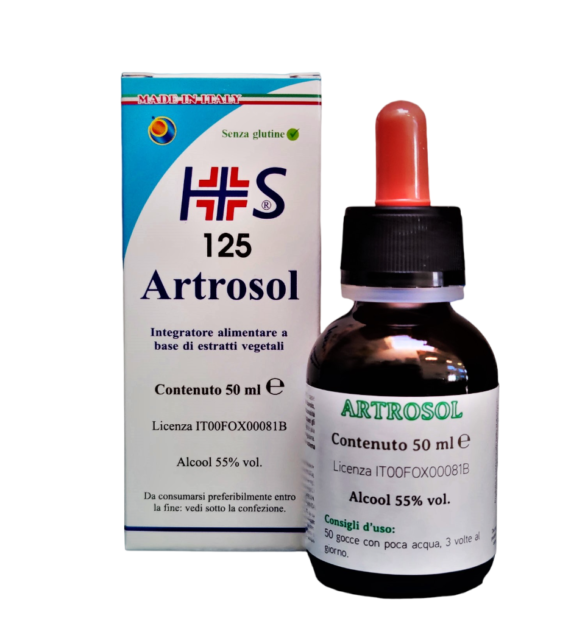
COMPLEMENTARY REMEDIES: ARTROSOL, MIODOL tablets, SULFONIL, HS 214 VITIS COMP. – MIODOL ARGIL