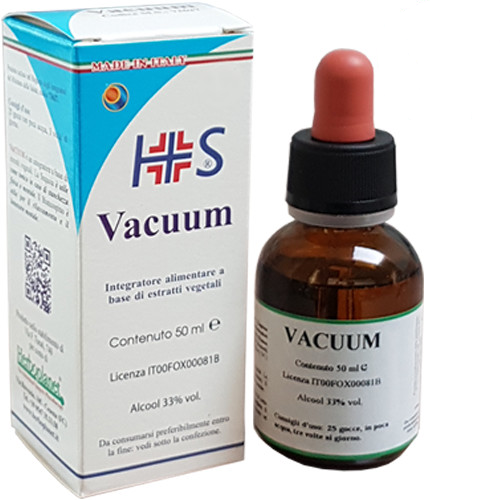
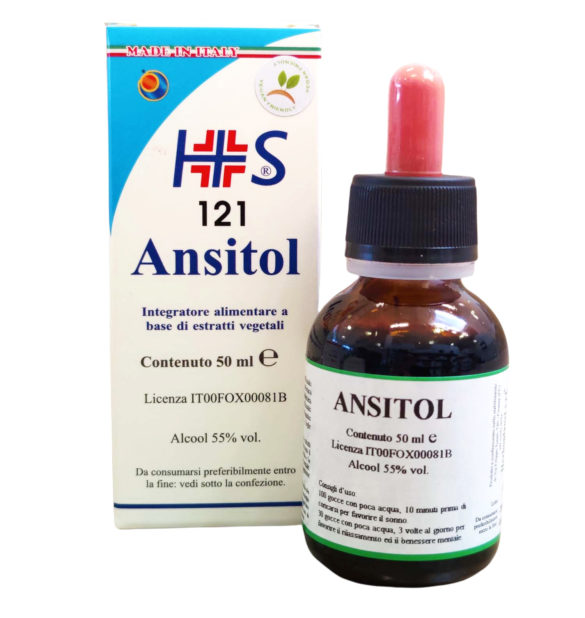
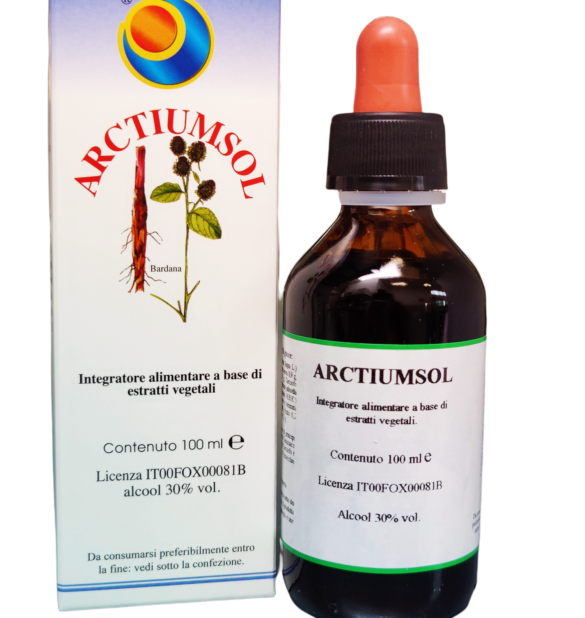
The hydro-glycero-alcoholic solution was carried out by the
alchemical spagyric method of Solanimus (
M.
S.
A.) which includes all the phases of classical spagyria with the final addition of a specific phase of alchemical philosophy. Spagyria and alchemy have come together to get the best out of the plant.
TILIA TOMENTOSA buds are among the richest in terpene derivatives with sedative and antispasmodic properties. The most important active ingredients are
Farnesol (O.E),
Tiliacin (glucoside), flavonoids (quercitroside,
isoquercitroside, cauferol, acacetin),
caffeic and chlorogenic acids, magnesium salts. Thanks to these components
has sedative properties in neuroses, in spasmodic insomnia, in gastralgia, migraine, vomito nervoso, spasmodic cough , asthma. In addition
, do not forget its action in hypochondria, hoarseness “nervous“, precordialgia and hyperemotionality. Useful in
esophageal dysphagia and
when psychotropic drugs begin to decrease, in mild stress hypertension and in restless legs syndrome.
In insomnia: acts simultaneously on the sleep center, on the cortical-hypothalamic axis and on the cross-linked substance by raising the level of serotonin with an anxiolytic effect.
Useful in children suffering from absence crises (
small evil).
CRATAEGUS OXYACANTHA is the symbol of beneficial hope. Its active ingredients are: flavonoids (
quercetin, epigenin, hyperoside, vixetine), triterpenic acids (
crategolic, ursocholic, oleanolic acid), amines (
trimethylamine, dimethylamine, tyramine, norepinephrine, dopamine, 5-hydroxytryptamine). Thanks to its active ingredients it has remarkable properties in
heart and nervous diseases.
It has action on the vagus and on the moderators of cardiac activity, on the sympathetic and solar plexus. Sovereign remedy in
angina pectoris and
arrhythmias when digitalis is not tolerated.
Arterial hypertension.
Insomnia and anguish,
especially in menopause.
Heart rhythm regularizer.
Hawthorn strengthens systole by increasing the force of contraction of the heart and causes a slowing of the heartbeat; Regulates sympathetic tone causing coronary vasodilation. It behaves as a partial Beta-antagonist whose action is carried out by means of oligomeric procyanins which inhibit intracellular phosphodiesterase. The result is an increase in
cyclic adenosine monophosphate (AMPc) important in cellular “
performance“.
It determines a dilatation of the small arterial vessels with an increase in the coronary spraying.
Neurocardiac syndrome with precordial anxiety (corrects ST-segment elevation on ECG).
Tachyarrhythmias.
Extrasystole.
Chest tightness.
Insomnia with cardiac hereticism.
Menopause disorders with palpitations, insomnia, tinnitus.
PRUNUS SPINOSA was considered a magical tree. Its intertwined branches could house good and evil. The plant was believed to protect against disease. Walking sticks protected wayfarers from the dark forces of evil present in the hedges of the same plant.
Active ingredients:
amygdalin, flavones, coumarin compounds, hydrogen cyanide, quercitin, pectins, vitamin C, phlorizin, tannins. Useful as
tonic, stimulant when the body has been weakened by diseases or by exhausting and stressful situations. Activates the hypothalamic-pituitary-adrenal axis. Reduces the tendency to nervous abdominal colic. Useful in bladder tenesmus. Prolonged convalescence. Psychophysical debilitation secondary to stress. Loss of appetite. General fatigue syndrome. Asthenia. Depressive states. Abdominal meteorism. The name
SEQUOIA (
Sequoiadendron giganteum) comes from
Sequojah, the name of a Native American who belonged to the Cherockee tribe. The Sequoia
is considered a symbol of willpower in honor of a young woman, Julia, who lived for two years on a Sequoia to prevent it from being culled. It is the largest conifer in the world.
Excellent nervous tonic. Useful in neurasthenia, depressive syndromes of the elderly,psychic urbs of senescence,syndromes from “Surmenage” and excessive fatigue.
JUJUBE (
Ziziphus jujuba Mill.): the Romans first imported it into Italy calling it “
Zyzyphum” and for them it was a symbol of silence and adorned the Temples of Prudence. In Romagna, in many farmhouses, it was grown adjacent to the house in the most sheltered area exposed to the sun. Si riteneva che fosse una pianta portafortuna. Its main indications are:
neurovegetative dystonias,
neurosis with anguish,
muscle spasms, sleep troubled by nightmares.From the plants described above it is possible to obtain
MSA (
Spagyric-Alchemic Macerates)
with extraction ratio 1 to 50 (
R.E. 1/50) if you follow the indications given by
Solanimus in his book “
ALCHEMY and SPAGYRIA: admirabiles et inseparabiles Artes!”, where some practical notions of Spagyria or Spagyrya and Alchemy are described very well.
COMPLEMENTARY REMEDIES: ANSITOL, MAGSOL 5 PLUS